
The Role of Informatics in Orthopedic Rehabilitation: Accelerating Recovery

Rehabilitation can be a grueling process, especially when it comes to orthopedic injuries. It requires immense patience, resilience, and hard work from the patient. Doctors, physiotherapists, and caregivers must also play their part to facilitate and monitor the progress of recovery. As society continues to become more dependent on technology in every aspect of life, healthcare is no exception. The utilization of informatics in healthcare has revolutionized patient care to a great extent, including the area of orthopedic rehabilitation.
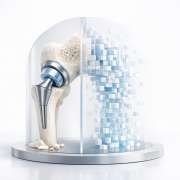
Orthopedic rehabilitation is a branch of physical medicine and rehabilitation that addresses the prevention and treatment of musculoskeletal system disorders and injuries. This includes injuries and conditions affecting the bones, joints, ligaments, tendons, and muscles. A key aspect in managing these conditions is patient rehabilitation; relearning or modifying physical activities with the goal of regaining full or optimal function. Implementing informatics into this process, such as electronic health records (EHRs), mHealth applications, wearable sensors, and patient portals, can significantly accelerate patient recovery by improving treatment adherence, monitoring progress, and enhancing doctor-patient communication.
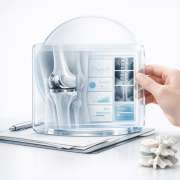
Electronic health records (EHRs) play a pivotal role in improving coordination and management of patient care. With a comprehensive and accessible digital record of a patient’s medical history, doctors and therapists are able to make informed decisions about the treatment plan and progress. This is particularly beneficial for patients with multiple medical conditions requiring multiple healthcare providers. EHR usage in orthopedic rehabilitation enables seamless sharing of a patient’s rehabilitation progress report among the entire healthcare team, eliminating the potential for discrepancies or miscommunications. Information sharing has shown to result in better patient outcomes, fewer medication errors, and improved efficiency in care.
Mobile health applications or mHealth apps, targeting orthopedic rehabilitation, have also shown immense potential in improving patient accountability, adherence to treatment, and facilitating home-based rehabilitation. These apps offer exercise guides, reminders, and motivation techniques, which help patients stay on track with their treatment schedules. Furthermore, these applications provide a platform for real-time communication with the healthcare team. For instance, patients can update their progress, report symptoms or problems, and receive swift feedback. This real-time interaction, on one hand, offers immediate support and motivation to the patients, and on the other hand, enables dynamic adjustment of treatment plans by healthcare providers based on the patient’s feedback.
Another integrant of informatics in orthopedic rehabilitation is wearable sensor technology. These devices, like smartwatches and fitness trackers, offer continuous monitoring of vital parameters such as heart rate, blood pressure, and body temperature. In the context of orthopedic rehabilitation, wearable sensors equipped with accelerometers and gyroscopes can monitor a patient’s physical activities, assess their performance, and refine their motion patterns. This data can then be analyzed and used to adjust a patient’s activities for optimal recovery. It also allows for remote patient monitoring, helping healthcare providers in early detection of potential complications and proactively managing any arising issues.
The role of patient portals in orthopedic rehabilitation should not be overlooked either. A patient portal is a secure online website that provides patients with 24/7 access to their health information. In orthopedic rehabilitation, patients can use portals to access their medical records, schedule appointments, renew prescriptions, and communicate with their healthcare team. A study published in the Journal of Medical Internet Research, found that use of a patient portal was associated with increased patient satisfaction and perceived improved communication with the healthcare team.
Together, these applications of informatics in orthopedic rehabilitation coalesce to form a more personalized and effective rehabilitation program. They allow clinicians to access updated and complete patient information, which in turn leads to timely and accurate decision-making. On the patient’s end, these interventions boost engagement, treatment adherence, and self-management which are vital components of a successful rehabilitation process. In conclusion, the incorporation of informatics into orthopedic rehabilitation not only facilitates swift and effective recovery but also paves the way for a future where technology and care are inseparable.






Leave a Reply
Want to join the discussion?Feel free to contribute!