
Smart Orthopedics: How Informatics is Making Care More Intelligent

The world of medicine is in constant evolution, and orthopedics is not exempted from this progress. In recent years, the world has seen numerous breakthroughs that have reshaped medical practices, many of which are made possible by informatics. We are heading towards an era of ‘Smart Orthopedics’ where software, data analysis tools, and machine learning algorithms drive evidence-based practices that improve patient outcomes in unprecedented ways. Technological innovation is facilitating smarter care, more efficient practices, and enabling more accurate diagnostics and treatment strategies.
‘Informatics’ is an umbrella term that takes into account a myriad of technological advancements like Artificial Intelligence (AI), Electronic Health Records (EHR), Computer-Assisted Surgery (CAS), and 3D printing. It helps make care more intelligent by streamlining the overwhelming amount of information orthopedic surgeons deal with regularly. Workflow management becomes more efficient, and patient interaction shifts from transactional to more personalized, built on the foundation of robust data.
Electronic health records (EHR) and cloud-based management systems possess a transformative potential for orthopedics. They help physicians collect, manage, and analyze a vast body of data efficiently, empowering patient-centric care processes. By tracking patient data in real-time, EHRs assist in identifying patterns and individualized treatment plans. This information can guide surgical planning and post-operative care, ensure appropriate follow-ups, and identify any potential complications early. Through EHRs, a continuum of care is established, where patients are monitored seamlessly from admission through recovery, even extending to their lives at home.
The role of AI further expands the horizons of Smart Orthopedics. Machine Learning algorithms assist in the diagnosis, treatment planning, and predicting patient outcomes by analyzing collective data and learning from patterns. Unfortunately, certain conditions have symptoms and clinical signs that overlap considerably, making it challenging to get an accurate diagnosis without extensive testing. AI, coupled with in-depth learning techniques, helps overcome these challenges. It can recognize patterns and deviations in imaging results, predict likelihoods of specific conditions, and even suggest the most effective treatment paths.
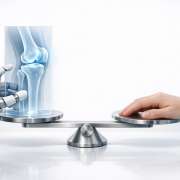
One of the exciting advancements in orthopedics is the use of Computer-assisted surgery (CAS). Cutting-edge tech, including Robotics and 3D imaging, is combining with CAS to provide exceptional precision during operations. CAS has seen improvements in everything from the accuracy of implant placement to spine surgeries. They significantly reduce the number of human errors and consequently, the possibility of post-operative complications. Apart from improved accuracy, another advantage of CAS is the decrease in radiation exposure to both the patient and the surgical team, making surgeries safer.
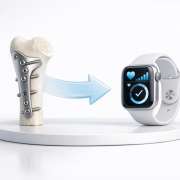
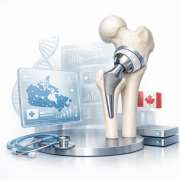
3D printing is another technological advancement that’s proving beneficial in making orthopedic procedures smarter. Surgeons are now able to create exact replicas of the patient’s anatomy from their scans for preoperative planning. Moreover, it has opened doors for customized implants designed to fit each individual’s unique anatomy, enhancing compatibility, and reducing the risk of complications and prosthesis failure. This personalized approach to care has the potential for better patient satisfaction and improved functional outcomes.
The advantages of implementing informatics in orthopedics are transformative; on a global scale, it can make healthcare universally accessible and affordable. The continuous monitoring and tracking can lead to early interventions and prevention of disease progression. Evidence-based medicine and personalized treatment plans can minimize unnecessary costs and improve overall quality of care. Moreover, the use of these technologies allows caregivers to focus more on patient interaction and less on routine tasks. They provide a platform for physicians to interact with patients beyond geographical boundaries, making healthcare more accessible.
The journey towards smarter orthopedics is exciting yet challenging. Although there has been substantial progress, the transition involves several potential pitfalls and grappling with legal and ethical concerns of AI and data handling. The medical community, policymakers, and tech companies need to work together to minimize any potential risks and maximize the potential of informatics in orthopedics. Overcoming these obstacles will go a long way in ensuring that the ‘Smart Orthopedics’ revolution yields the desired positive outcomes: enhancing patient care, improving health outcomes, and transforming healthcare systems.
Overall, the integration of informatics into orthopedics translates into smarter, more efficient, and patient-centric care. Leveraging technology to inform and augment medical practices presents a whole new world of opportunities for improving health outcomes. The exciting developments in Smart Orthopedics are ensuring that healthcare is not merely about healing the sick but about empowering individuals with information about their health, leading to a future wherein informed patients make smarter health decisions, ultimately paving the way for a healthier society.




Leave a Reply
Want to join the discussion?Feel free to contribute!