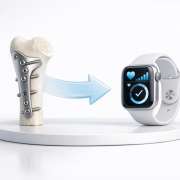
The Ethics of Automated Diagnosis: Where does the surgeon’s liability end?

The Ethics of Automated Diagnosis: Where Does the Surgeon’s Liability End?
A patient walks into the clinic with persistent knee pain. The AI flags a subtle meniscal tear on the MRI, but the surgeon’s clinical exam suggests a different story. Who carries the weight if the AI’s call is wrong? This is no longer a hypothetical. Automated diagnosis tools are reshaping orthopaedics, but they also blur the lines of responsibility in patient care.
Surgeons have long been the final arbiters of diagnosis and treatment. We synthesize history, physical exam, imaging, and experience to guide decisions. Now, algorithms analyze vast datasets, detect patterns invisible to the human eye, and suggest diagnoses in seconds. These tools promise earlier detection, fewer missed injuries, and personalized treatment plans. Yet, they also introduce a new ethical dilemma: when machines diagnose, where does the surgeon’s liability begin or end?
Automated diagnosis systems rely on machine learning models trained on thousands of images and clinical outcomes. They excel at pattern recognition but lack clinical context and nuance. A subtle artifact on an X-ray might trigger a false positive. Conversely, rare pathologies may evade detection if underrepresented in training data. Surgeons must interpret AI outputs critically, not blindly accept them. The technology is an assistant, not a replacement.
The transformation here is profound. Surgeons now operate in a hybrid decision-making environment. We integrate AI insights with our clinical judgment. This collaboration can reduce diagnostic errors and optimize surgical planning. However, it also demands new competencies: understanding algorithm limitations, recognizing bias, and maintaining vigilance against overreliance. The surgeon remains the ethical and legal steward of patient care, but the tools we use complicate accountability.
Liability traditionally rests on the surgeon’s shoulders. If a diagnosis is missed or a treatment harms the patient, the surgeon answers for it. With AI, responsibility diffuses. If an algorithm errs, is the surgeon negligent for trusting it? Or does liability shift to the software developers, the institution deploying the technology, or the regulatory bodies approving it? Current legal frameworks lag behind these questions, leaving surgeons in a precarious position.
This uncertainty demands clear guidelines and robust validation of AI tools before clinical deployment. Surgeons must advocate for transparency in algorithm design and performance metrics. Institutions should implement protocols that define how AI outputs are integrated into clinical workflows. Documentation must reflect the surgeon’s independent assessment alongside AI recommendations. These steps protect patients and clarify liability.
Looking ahead, the surgeon’s role will evolve but never diminish. We will become interpreters of complex data streams, blending human insight with machine precision. Ethical practice means embracing technology without abdicating responsibility. Surgeons must lead conversations about AI governance, ensuring these tools enhance care without compromising trust or safety.
The future of orthopaedics lies in this partnership between surgeon and algorithm. When we navigate the ethical terrain of automated diagnosis thoughtfully, we safeguard the patient’s well-being and uphold the integrity of our profession. The question is not where liability ends, but how surgeons can harness AI responsibly to deliver better outcomes, every time.