
Key Benefits of Tele-Orthopedics for Patients

As inevitabilities of progress force sectors across the spectrum to adapt, so do healthcare systems around the globe find convenience, efficiency and improved service delivery through digitizing aspects of their operations. Now, we can enjoy the convenience of speedy diagnoses and consultations without stepping a foot out of our homes. None of these verities more evident than in tele-orthopedics, a trendsetter in digital patient care.
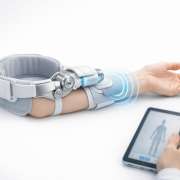
Tele-orthopedics, a niche within the broader field of telemedicine, facilitates treatments for patients with bone and joint problems through a digital platform. Traditionally, orthopedic care demanded in-person visits to physical therapy, regular check-ups, and potentially, multiple surgeries. However, since time is a luxury not etched into the fabric of many busy modern lives, tele-orthopedics has become an indispensable solution, primarily for its convenience and other auxiliary benefits.
Firstly, increased accessibility ranks high among the principal benefits of tele-orthopedics. Traditional systems often created geographical boundaries and travel inconveniences for patients in need of specialist care. Imagine living in a rural area, devoid of specialized healthcare facilities, miles away from the nearest metropolitan city. Now envision the challenges that elderly patients, for instance, may face navigating such a journey regularly. Tele-orthopedics, however, bypasses these obstacles, presenting a solution that delivers top-notch muscular-skeletal care irrespective of location.
Furthermore, tele-orthopedics provides prompt medical attention, thus arching over the time-consuming barriers presented by traditional healthcare systems. Telehealth platforms can deliver diagnoses, examinations, and expert consultations in real-time. This acceleration in service can prove not only valuable but life-saving in emergency situations. Quick diagnosis and treatment onset can mitigate the potential for condition worsening, thus promoting speedy recovery.
Cost-saving is another significant advantage offered by tele-orthopedics. The costs associated with regular visits to healthcare facilities can often run high, even before considering the monetary implications of surgery and therapy. Travel and accommodation expenses for out-of-town patients, missed work, and time lost are all part of the total expenditure. With tele-orthopedics, most of these costs are taken out of the equation, allowing patients to focus on their recovery instead of financial stressors.
While enhancing patient comfort and satisfaction, tele-orthopedics also ensures the efficient use of healthcare resources. It reduces the need for hospital-based clinical services, thereby freeing up healthcare systems to focus on patients who require immediate, in-person attention. This efficiency enhances overall patient care by streamlining resources to where they are most needed.
Interestingly, despite the lack of physical interaction, tele-orthopedics programs have showcased a strong patient-provider relationship. This connection stems from the efficiency of care delivery and the convenience it brings to the table. The comfort of being treated in one’s environment cannot be understated and proves instrumental in fostering trust and satisfaction. Virtual care has broken down the barriers of impersonality that many expected.
Notwithstanding these benefits, it is important to mention that tele-orthopedics cannot replace the crucial role of in-person physical exams in certain scenarios. However, for follow-up appointments, post-operation assessments, and consultations, it offers an effective, efficient, and convenient option. As technology advances further, it can only be expected that tele-orthopedics will continue to improve, offering increased benefits to patients and healthcare providers alike.
In conclusion, tele-orthopedics stands at the forefront of healthcare innovation, presenting solutions that prioritize patient convenience and care efficiency. As the balance between our world and digital landscape continues to shift, it is expected that the practice of tele-orthopedics will extend to more aspects of healthcare, transforming traditional modalities while bringing care closer to patients. The future of orthopedics, it seems, may indeed be digital.





Leave a Reply
Want to join the discussion?Feel free to contribute!