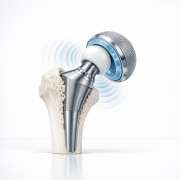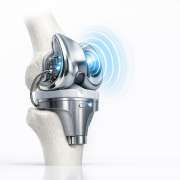
Haptic Feedback in Physical Therapy: Guiding the patient at home.

Haptic Feedback in Physical Therapy: Guiding the Patient at Home
Patients leave the clinic with exercises in hand, but the journey to recovery often falters once they step through the door. Without real-time guidance, subtle errors creep into movement patterns. These errors delay healing, invite compensations, and sometimes cause setbacks. Physical therapy demands precision. Yet, until recently, the therapist’s touch and eye were confined to the clinic. Now, haptic feedback is changing that.
Haptic technology delivers tactile sensations—vibrations, pressures, or forces—that mimic the therapist’s hands. Wearable devices equipped with sensors track joint angles, muscle activation, and movement velocity. When a patient deviates from the prescribed motion, the device sends immediate, physical cues. This feedback nudges the patient back on course, reinforcing correct form without a therapist physically present.
The clinical value is clear. Traditional home exercise programs rely heavily on patient memory and motivation. Even with video demonstrations, patients struggle to replicate precise movements. Haptic feedback bridges this gap by creating a digital “hands-on” experience. It transforms passive instruction into active correction. Patients feel guided, not alone.
This technology also empowers therapists. Data collected during sessions offers objective insights into adherence and quality of movement. Therapists can tailor programs based on real-world performance, not just patient reports. This closes the loop between clinic and home, making rehabilitation a continuous, responsive process.
Consider a patient recovering from rotator cuff repair. Proper shoulder elevation and scapular motion are critical. A wearable haptic device can sense deviations in scapular positioning and deliver subtle vibrations to cue correction. The patient learns to self-correct in real time, accelerating motor relearning. Over weeks, this reduces compensatory patterns that often lead to secondary injuries.
Haptic feedback also addresses a deeper challenge: patient engagement. Rehabilitation is tedious, and motivation wanes. The immediate, physical response from a device creates a dynamic interaction. It transforms exercises from a checklist into a dialogue. Patients become active participants, not passive recipients.
This shift matters beyond individual cases. Healthcare systems face mounting pressure to reduce costs and improve outcomes. Remote rehabilitation enabled by haptic feedback reduces the need for frequent in-person visits. It expands access for patients in rural or underserved areas. It also supports early discharge, with confidence that patients maintain quality care at home.
The evolution from manual therapy to digital augmentation reflects 25 years of progress in orthopaedics. We moved from paper charts to electronic records, from generic protocols to personalized medicine. Now, we stand at the threshold of agentic AI and sensor-driven care. Haptic feedback is a tangible step toward that future, where technology amplifies human touch rather than replaces it.
Imagine a world where every patient carries a virtual therapist in their pocket. Where recovery is not a solitary struggle but a guided journey. Where data and sensation combine to teach the body how to heal itself. This is not science fiction. It is the emerging reality of musculoskeletal care.
Haptic feedback in physical therapy is more than a tool. It is a paradigm shift. It restores the therapist’s presence beyond clinic walls, enhances patient autonomy, and tightens the feedback loop essential for healing. For clinicians, it offers a new lens on patient progress. For patients, it offers confidence and connection.
The future of orthopaedics will be defined by these intimate, data-driven interactions. As we integrate haptic technology into rehabilitation, we rewrite the story of recovery—one guided movement at a time.