Smart Implants: The next generation of “talking” prosthetics.

Smart Implants: The Next Generation of “Talking” Prosthetics
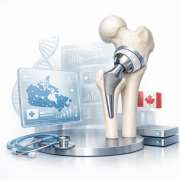
When a patient walks into the clinic with a joint replacement, the conversation often revolves around pain levels, mobility, and X-rays. But what if the implant itself could speak? What if it could share real-time data about its condition, the forces it endures, and early signs of wear or infection? This is no longer science fiction. Smart implants are transforming prosthetics from silent mechanical devices into active partners in patient care.
For decades, orthopaedic implants have been passive. Surgeons implant, patients recover, and follow-up relies on subjective reports and periodic imaging. This approach leaves gaps. Subtle changes in implant performance or early complications often go unnoticed until symptoms worsen. The result: delayed interventions, increased revision surgeries, and compromised outcomes.
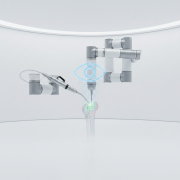
Smart implants embed sensors and microprocessors within the prosthetic itself. These devices monitor biomechanical parameters such as load distribution, temperature, and micromotion. They transmit data wirelessly to clinicians, enabling continuous, objective assessment. This shift from episodic snapshots to dynamic monitoring redefines postoperative care.
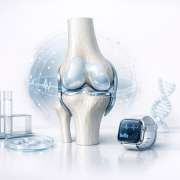
Consider a knee replacement patient. Traditional follow-up might miss early loosening or infection until pain intensifies or radiographs reveal damage. A smart implant detects abnormal load patterns or rising temperature around the joint, signaling inflammation or loosening days or weeks before clinical symptoms appear. Surgeons receive alerts, allowing timely interventions that preserve implant longevity and patient function.
The technology also personalizes rehabilitation. Data from smart implants guide physical therapy by revealing how the joint responds to different activities. Patients avoid overloading the implant during vulnerable phases, reducing complications. Clinicians tailor protocols based on objective metrics rather than guesswork.
Integrating smart implants into clinical workflows demands robust informatics platforms. These systems aggregate implant data with patient-reported outcomes and imaging, creating a comprehensive picture of musculoskeletal health. Artificial intelligence algorithms analyze trends, predict risks, and recommend interventions. This convergence of hardware and software elevates orthopaedic care from reactive to proactive.
The impact extends beyond individual patients. Aggregated data from smart implants across populations fuel research into implant design, surgical techniques, and rehabilitation strategies. Manufacturers refine materials and geometries based on real-world performance. Surgeons benchmark outcomes and adopt best practices faster. The entire ecosystem evolves with unprecedented speed and precision.
Smart implants also empower patients. Access to their own implant data fosters engagement and adherence to rehabilitation. Patients gain confidence knowing their prosthetic “speaks” and alerts clinicians before problems escalate. This transparency builds trust and partnership in care.
The journey from manual records to agentic AI in orthopaedics spans 25 years. We have moved from paper charts to electronic health records, from static imaging to dynamic wearables. Smart implants represent the next leap: devices that sense, analyze, and communicate from within the body. They transform prosthetics from passive tools into intelligent systems that enhance outcomes and extend implant lifespan.
The future of musculoskeletal care lies in this fusion of biology and technology. Imagine implants that adapt in real time, adjusting stiffness or alignment based on activity. Picture seamless integration with augmented reality for surgical planning and navigation. Envision a world where implant failure is predicted and prevented before it occurs.
Smart implants are not just a technological novelty. They are a clinical imperative. They address the fundamental challenge of orthopaedics: restoring function and quality of life with durable, personalized solutions. As surgeons, patients, and innovators embrace this new paradigm, we unlock a future where prosthetics do more than replace—they communicate, collaborate, and care.