
Digital Tools for Orthopedic Excellence: A New Era of Care

Orthopedics, the branch of medicine concerning the musculoskeletal system, is stepping into a new era precipitated by the digitization of health care. Through integrating digital tools within their practices, orthopedic specialists and surgeons are opening up a world of precision, efficiency, and personalization. This technological evolution represents a paradigm shift from reactive to predictive care, potentially enhancing patient outcomes and altering the very understanding of orthopedic medicine to its core.
The digital tools at play range from wearable technology and mobile applications to artificial intelligence and virtual reality. They are transforming the professional landscape for orthopedic professionals, enabling them to offer care that is increasingly data-driven and patient-specific. This shift has the potential to deliver exceptional standards of orthopedic care, enhancing therapeutic procedures while reducing overall healthcare costs.
Advanced Wearable Technology and Smart Implants
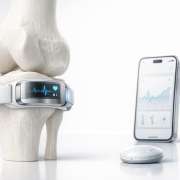
Wearable technology and Internet of Medical Things (IoMT) are providing orthopedics with real-time data to monitor and manage patient health better. These tools can monitor vital signs, activity levels, and even post-surgical recovery, delivering a stream of information directly to healthcare providers. Similarly, smart implants have sensors that provide feedback about their performance. Such collected data can help clinicians to adjust treatment plans on the fly and provide personalized care based on actual findings rather than standard protocols.
The adaptation of wearable tech can also aid in improving rehabilitation regimens. Biomechanical data derived from wearables can provide physiotherapists with insights into a patient’s range of mobility and areas of muscle weakness. This advancement allows for more tailored exercises and improved rehab outcomes, reducing recovery time and bolstering patient satisfaction. Furthermore, the analytics derived from wearable technology can help confirm if a patient is adhering to prescribed rehabilitation, a crucial factor in achieving optimal recovery.
Artificial Intelligence (AI) and Machine Learning (ML) in Orthopedics
AI and ML are digitally transforming orthopedics, offering lucrative benefits like improved patient diagnosis, treatment planning, and surgical precision. AI-based systems can analyze medical imaging, detect abnormalities, and assist in treatment planning by providing critical insights faster than manual examination. This augments the surgeon’s decision-making, leading to increased accuracy in diagnosis and treatment.
Machine learning applications can forecast recovery outcomes and monitor patient progress by analyzing a mix of patient metrics and comparative data from similar cases. Predictive analytics can help healthcare providers to foresee an individual’s recuperation trajectory and tailor the treatment plan accordingly. The real-time data from wearables can be analyzed using ML algorithms to detect anomalies and trigger alerts if needed.
Furthermore, robotic-assisted orthopedic surgeries utilizing AI technology provide surgical precision that goes beyond human capability. By rendering 3D models from patient scans, these systems allow surgeons to plan in great detail before any procedure. During surgery, the robot can make extremely precise movements, improving the surgeon’s ability to preserve healthy tissue and reduce post-operative complications.
Virtual Reality (VR) and Augmented Reality (AR) for Preoperative Planning and Training
Virtual and augmented reality technologies are emerging as powerful digital tools in orthopedics. They find applications in preoperative planning, surgeon training, and patients’ education. VR and AR tools create a three-dimensional, immersive visual representation allowing for better spatial understanding. It enables surgeons to visualize the surgical site accurately and plan for potential anatomical complexities beforehand. This preoperative planning can increase surgical success rates by reducing errors and uncertainties.
The advent of VR-based training platforms is transforming orthopedic education, allowing trainees to practice complex procedures in a risk-free environment before they perform on actual patients. Through haptic feedback, trainees can also develop a sense of touch, build muscle memory and gain confidence before stepping into the operating room. On the patient’s side, AR and VR can help to better understand their conditions and the proposed treatment strategies, improving patient engagement and satisfaction.
Orthopedic medicine is amidst an exciting time of change, driven by the adoption of digital tools promising a new era of care. Through leveraging data and digital technology, orthopedic professionals can provide personalized care that is efficient, precision-oriented, and enhances patient satisfaction. The future certainly looks promising in the quest for orthopedic excellence, harmoniously blending human discretion with digital precision.






Leave a Reply
Want to join the discussion?Feel free to contribute!