
Big Data in Orthopedics: Unlocking Insights for Better Care

Amid the rapidly evolving universe of technology, the realm of healthcare is increasingly embracing big data’s mammoth potential to revolutionize patient care. Significantly, orthopedics, a branch that deals with an extensive array of musculoskeletal conditions, finds itself amongst the leading pioneers harnessing the transformative power of big data. Delving into colossal data heaps, orthopedic specialists can unlock hidden insights, thereby refining diagnosis, treatment, and rehabilitation methodologies.
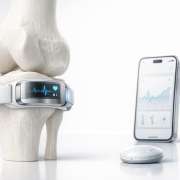
In an increasingly digitized healthcare environment, electronic health records (EHRs), genomic information, medical imaging, wearable devices, social media, and the Internet of Medical Things (IoMT) generate vast amounts of data. This massive accumulation of diverse data sets provides an unprecedented opportunity for orthopedic research, practice, and policy development. However, the mobilization of big data in orthopedics calls for advanced analytical tools that can skillfully mine the torrent of information, distilling it into actionable insights to enhance patient-oriented care.
Advanced analytic tools, including artificial intelligence (AI), machine learning (ML), and predictive algorithms, are wiry knights in the digital armor of orthopedic healthcare. They are capable of identifying patterns and correlations in the vast ocean of data that traditional analytics tools may overlook. For instance, machine learning algorithms can leverage data from genomic sequencing to predict individual susceptibility to orthopedic conditions, such as osteoarthritis and osteoporosis. AI-driven deep learning algorithms can accurately interpret medical images, essential in diagnosing musculoskeletal disorders like rheumatoid arthritis and bone malignancies.
Moreover, the predictive prowess of big data analytics is invaluable in orthopedic surgery. By tapping into historical surgical data, including patients’ demographics, clinical history, and operative metrics, big data can predict post-operative complications, readmission rates, and overall surgical outcomes. By foreseeing potential risks, surgeons can discuss them with patients, make informed decisions, customize surgical strategies, and optimize post-operative rehabilitation. Therefore, bedside-to-bench utilization of big data can revolutionize orthopedic patient care, promoting a personalized, predictive, preventive, and participatory (4P) model of healthcare.
Beyond diagnostic and therapeutic domains, big data thrusts an immense impact on the economic and administrative aspects of orthopedic care. Data-driven insights inform evidence-based policy-making, stimulate healthcare quality improvement initiatives, and contribute to the optimization of resource allocation. In the long-term, effective utilization of big data can enhance healthcare affordability and accessibility, vital in addressing health disparities.
In tandem with the healthcare boom, the wave of big data in orthopedics navigates several challenges. Primary amongst these is ensuring patient data privacy and security. With amplified data digitization, the risk of cybercrimes, data breaches, and unethical usage mounts. Therefore, stringent data governance and thorough adherence to ethical standards are paramount. Healthcare institutions must leverage advanced encryption technologies, and users must be discerningly educated about data access and usage.
Another significant concern is the dearth of professionals adept in big data analytics. Bridging this knowledge gap necessitates reinforcing significant training efforts in data science for medical students, physicians, and other healthcare workers. At the same time, the world of big data calls for an investment in infrastructure supportive of high-volume data storage, efficient data processing, and resilent cybersecurity.
Finally, the ethical implications of big data deserve profound consideration. Controversies surrounding the right to privacy, the right to forget, informed consent, and data ownership lurk in the big data landscape. The propagation of big data in healthcare, therefore, calls for robust ethical guidelines, and legislative frameworks that balance advancements in patient care while preserving individual rights.
In conclusion, big data unfolds an era of immense promise for the field of orthopedics. Harnessing its potential entails a multidisciplinary collaboration of orthopedic specialists, data scientists, policymakers, ethicists, and information technology experts. While big data’s journey in orthopedics has just begun, its momentum is undeniable. As we move forward, one thing is certain: big data’s impact on orthopedics can pave the way for patient care that is personalized, predictive, participatory, and preventive – truly harnessing the full potential of a digitized healthcare paradigm.






Leave a Reply
Want to join the discussion?Feel free to contribute!