
Data is the New Scalpel: Informatics’ Cutting Edge in Orthopedics

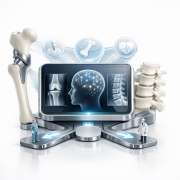
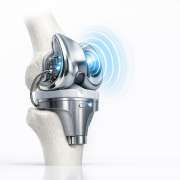
When one thinks of orthopedics, the immediate thought might revolve around bones, joints, ligaments, and physical therapy. But today, a far more intricate and less tangible tool is revolutionizing this medical field: data. Like a scalpel poised over a patient, this tool is reshaping orthopedics, delivering increasingly precise diagnostics and treatments. This tool is informatics, and it’s creating new methods and practices in orthopedic surgery.
As the world continues to spiral down the rabbit hole of the digital era, an exploding wave of data is transforming various aspects of our lives. In the medical field, advancements have reached astonishing heights, which is mostly driven by data and informatics. Data is serving as the backbone for new developments, predictions, and improvements across multiple spheres of health care, with the field of orthopedics being no exception. Informatics, the science of processing data for storage and retrieval, is now playing a significant role in shaping the landscape of orthopedic care and surgery.
For many years, orthopedic professionals relied on the physical examination, X-rays, and their experience to diagnose and treat conditions. But the advent of data science and its integration with informatics has drastically changed the way these treatments are carried out. Harnessing information from a plethora of sources such as patient records, clinical trials, and genomic studies has become decisive in forming a comprehensive overview of a patient’s condition. This data integration enables health professionals to diagnose more accurately, foresee potential risks, and devise personalized treatment plans tailored specifically to each individual’s genetics and health history.
One of the critical ways data is making a significant impact in orthopedics is through predictive modeling. Using algorithms that analyze historical and real-time data, these models provide valuable insights into a patient’s potential outcomes, thus guiding the orthopedic specialists in determining the most suitable treatment paths. This technology is proving to be incredibly useful in undertaking complex treatments and surgeries, significantly improving patient outcomes by reducing risks and recovery times.
Another tool reshaping the orthopedic landscape is machine learning. Machine learning uses historical data and pattern recognition to make predictions and decisions without being pre-programmed. In the orthopedic field, machine learning has been used in the automatic detection and classification of various orthopedic conditions, such as fractures, osteoporosis, and arthritic conditions. It enhances the accuracy of diagnosis by effectively analyzing radiographic images, thus potentially reducing the chances of human error.
The role of data and informatics in improving predictive analytics and patient care is further amplified by the incorporation of wearable technology. Today, devices like smartwatches and fitness bands are capable of collecting vast amounts of health-related data, such as heart rate, sleep patterns, and physical activity. This wealth of health data is used to track patients’ rehabilitation progress post-surgery and manage chronic orthopedic conditions. It offers immense potential for preventative care, making patients active participants in their own health management.
It’s also important to note that with the extensive utilization of data, the industry faces crucial challenges concerning data privacy and security. With data breaches on the rise, the security of personal health information has become a significant concern. The orthopedics sector must place stringent measures to ensure the safety and integrity of patients’ data. Therefore, leveraging the benefits of data in the orthopedic field comes hand-in-hand with upholding ethical standards and regulations that protect patient privacy.
Data, in essence, has become the new scalpel in the field of orthopedics, carving out a future that promises precision, accuracy, and improved patient care. By uniting orthopedic expertise with data science, informatics is at the cutting edge, transforming treatments and reshaping the healthcare trajectory. As these tools evolve, so does the quality of care provided to patients, ensuring that the field of orthopedics stays at the forefront of medical innovation.
As we look forward, it’s clear that data will continue to shape the field of orthopedics, leading us into an era of personalized and precision medicine. With its power to revolutionize diagnostics, treatments, and patient care, data has indeed become as essential as the scalpel in the operating room, promising a future where technology and medical science walk hand in hand.





Leave a Reply
Want to join the discussion?Feel free to contribute!