
From Bytes to Breakthroughs: Informatics’ Impact on Orthopedic Advancements

Traditionally, the worlds of IT and Orthopedics were separate fields. The former was the domain of coders and computer analysts, and the latter was primarily concerned with the mechanical and clinical aspects of the human musculoskeletal system. But in recent years, the gap between these fields has radically narrowed due to a rapidly advancing field known as Informatics. This development is making waves in many medical specialties, and orthopedics is among those benefitting most from these innovations.
The intersection of information technology and orthopedics may have seemed unlikely once upon a time, but its emergence is logical. Standing at the forefront of this revolution is an expanding realm known as Medical Informatics, a multidisciplinary field that uses health information technology to improve health care via research, data analysis, and system design. Orthopedic informatics, an offshoot of medical informatics, focuses on the musculoskeletal system, bolstering the precision, effectiveness, and overall patient outcomes of orthopedic care. One only needs to look at the advancements in imaging technologies, 3D printings, implant tracking, machine learning algorithms, and AI-assisted diagnosis to grasp the impact informatics is making in orthopedics.
Diagnostic imaging, a critical component of orthopedic practice, has been hugely transformed by informatics. Traditional radiography, CT scans, and MRI outputs are now stored in digital format known as DICOM. These digital files can be processed and analyzed using advanced algorithms to detect anomalies that might be missed by even the most experienced radiologists. This digital approach not only enhances diagnosis precision but also facilitates easy storage, transmission, and retrieval of patient data. Also, PACS (Picture Archiving and Communication System) facilitates efficient sharing and interpretation of these images among medical professionals irrespective of their geographic locations.
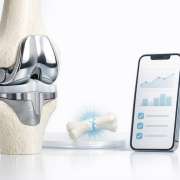
Beyond imaging, orthopedic prosthetics and implants have experienced massive improvements stemming from the adoption of informatics. Through 3D printing technologies fueled by precise computer-aided designs, surgeons have access to patient-specific implants that perfectly fit the patient’s anatomy, thereby eliminating many risks associated with conventional implants. Additionally, smart sensors inserted in implants provide real-time monitoring of patient recovery, a significant step in personalized healthcare. The data gathered from these sensors can also be combined with machine learning algorithms to predict an implant’s lifespan or predict potential complications, thus aiding preventive care.
Moreover, informatics has brought an unprecedented level of precision to orthopedic surgeries through robotic surgery and computer-assisted surgical (CAS) systems. Robotic systems like the da Vinci Surgical System and Mako Robotic-Arm allow surgeons to perform minimally invasive surgeries with extreme precision, resulting in quicker recovery times for patients. Meanwhile, CAS systems guide orthopedic surgeons throughout the surgical process, resulting in better alignment and placement of implants, thereby enhancing the overall success rate of orthopedic procedures.
In terms of patient monitoring, data collated from wearables and health apps offer valuable insights to orthopedic specialists. The collected information empowers doctors to track patient’s activity levels, medication adherence, and symptoms remotely. Concurrently, AI-powered predictive algorithms can further analyze health data to forecast the patient’s health trajectory and guide treatment plans. Such personalized intervention is shifting the orthopedic treatment paradigm from reactive to proactive, focusing more on predicting and preventing injuries rather than just treating them.
Last but certainly not least, the implementation of robust Electronic Health Record (EHR) systems holds the promise of dramatically improving orthopedic patient care. With a complete, real-time patient health record at their fingertips, orthopedic practitioners can take the most informed decisions, avoid medical errors, and streamline the overall patient care process. Furthermore, the continuous improvement in data security heralds a future where sensitive medical information is safe from breaches.
In summary, the advent of informatics in orthopedics denotes a paradigm shift. The integration of big data, artificial intelligence, advanced imaging techniques, 3D printing, sensors, and robotics with traditional orthopedic practices has subtly started a new era in orthopedics—an era underpinned not just by saws and scalpels but also by silicon and software. As the digital revolution continues to permeate the healthcare sector, orthopedics also adjusts to keep stride, increasing both the longevity and quality of patients’ lives. From bytes to breakthroughs, informatics is reshaping orthopedics in incredible ways and will undoubtedly remain at the crux of future advancements in the field.





Leave a Reply
Want to join the discussion?Feel free to contribute!