
3D Printing in Orthopedics: Custom Solutions for Unique Needs

Orthopedic medicine is undergoing a monumental shift with the introduction and rapid adoption of 3D printing technology. Revolutionizing everything from pre-surgical planning to joint replacements, 3D printing is providing tailor-made solutions to unique patient needs. These innovations are not only improving patient outcomes but are also slashing healthcare costs.
With the ability to print anything from bones and joints to assistive devices and surgical tools, 3D printing is a game-changer in orthopedic treatment. Traditional methods in orthopedic practice are giving way to flexible, adaptable, and increasingly sophisticated 3D-printed solutions. This shift is transforming orthopedics, an especially significant field where every patient’s needs are as unique as their anatomy.
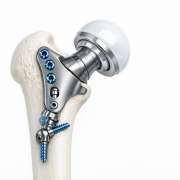
One area in orthopedics where 3D printing is having an extraordinary impact is in joint replacement surgeries. Traditional joint replacements often require significant alteration to the patient’s bone structure to fit a standard-sized implant. However, with the help of 3D printing technology, we can now create custom-fit joints designed to match the patient’s unique bone structure perfectly. These custom joints not only lead to less invasive surgeries but also deliver improved post-operation results, contributing to faster healing and better functionality. An add-on advantage is that 3D-printed joints can resist wear and tear better due to their perfect fit, potentially making repeat surgeries less likely in the future.
But the story doesn’t end with joint replacements. The realm of orthopedic prosthetics has also been transformed by 3D printing. Traditional prosthetic limbs can be costly, heavy, and uncomfortable to wear. They may not provide the perfect fit needed for long-term comfort and functionality, compounding the challenges faced by patients. But with the advent of 3D-printing technology, lightweight and affordable prosthetics are now an accessible reality. Customized to the specific measurements of the wearer and often adaptable as the patient grows or changes, these new generation of prosthetics is heralding a new era of improved quality of life for unsuspecting patients.
Moreover, 3D-printed surgical equipment is another area where this technology is making significant strides. Instead of using generic tools, surgeons can now employ custom, patient-specific guides, which can improve surgical precision and lead to better patient outcomes. Pre-surgical planning is also being revolutionized, with 3D-printed models of the patient’s anatomy allowing surgeons to strategize better and rehearse complex procedures, significantly reducing the risk and duration of surgeries.
Few can deny that these developments signal a bright future for 3D printing in orthopedics. Yet, challenges persist. The technology, although rapidly evolving, is still in a relatively nascent stage. There’s a need for more robust regulations to ensure high-quality standards and to further lower the costs. The technical skill required to design and print these structures remains high, and adoption can be slow due to lack of awareness or resistance to change. Proper training and promoting awareness can help overcome these hurdles while propelling the use of 3D printing in orthopedics even further.
Nevertheless, 3D printing has already made an indelible mark in the field of orthopedics by enabling custom solutions for unique needs. Its potential to continually enhance patient care and outcomes is enormous. As technology advances and becomes more ubiquitous, the use of 3D printing in orthopedics is set on an exciting trajectory. By combining intricate anatomical understanding with technological innovation, orthopedics is on the cusp of revolution – one custom model at a time.
With every 3D-printed joint, prosthetic, or surgical tool comes the promise of an innovative and practical solution that could propel orthopedics into a new era of patient care. As surgeons become more practiced in using these tools and as patients experience the benefits, it’s likely that 3D printing will become a standard component of orthopedic care, making the future of orthopedics as innovative as it is hopeful.



Leave a Reply
Want to join the discussion?Feel free to contribute!