
The Global Impact of Orthopedic Informatics: Case Studies from Around the World

The advent of digital technology has been transforming various sectors across the globe, with the health sector being one of the beneficiaries. A specialized application of this digital revolution is recognized in the field of Orthopedics known as Orthopedic Informatics, an evolving field that involves the application of informatics methods to orthopedic patient care and research. By leveraging data analysis, it offers potential for improving patient outcomes, optimizing workflow, reducing costs, and conducting in-depth research. This article underscores the global impact of orthopedic informatics through a series of compelling case studies from around the globe.
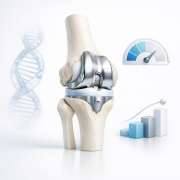
One of the shining examples of the use of orthopedic informatics emerges from Singapore. In an effort to enhance resource efficiency and patient outcomes in total joint arthroplasty, Singapore General Hospital implemented a systematic and comprehensive Informatics model. This model comprised of predictive analytics and data-driven decision making. The hospital managed to utilize new algorithms incorporated into their systems to predict post-operative recovery progress, with high accuracy, of patients undergoing total knee or hip replacements. This predictive model stratified patients into risk categories, allowing personalized rehabilitative support. In this context, Orthopedic Informatics played a role as a powerful tool in clinical decision making, leading to greater outcomes in individual patient recovery.
Across the Atlantic, the Montreal General Hospital in Canada utilized orthopedic informatics to reduce wait times in the Orthopedic Trauma Clinic. The challenge was to streamline the process of patient admission, examination, and decision for surgery in the trauma clinic. Upon employing a process mapping technique, and introducing a digital-based triaging and scheduling system underpinned by informatics, the hospital was able to significantly reduce patient wait times. Moreover, it resulted in better coordination, improved patient satisfaction, and enhanced efficiency of healthcare providers. The success of this effort sheds light on orthopedic informatics’ potential to not only improve patient outcomes but also streamline healthcare processes.
In Europe, the AO Foundation, a Switzerland based medically-guided non-profit organization, developed The AO Surgery Reference, an online reference guide for the management of fractures. This guide, backed by orthopedic informatics, employs machine learning algorithms to suggest surgical procedures based on individual patient characteristics, fracture morphology, and surgeon’s expertise. It is currently endorsed and used worldwide by orthopedic surgeons, significantly advancing the curtain of global orthopedic practice. It is an apt representation of the reach and scope of orthopedic informatics, transcending geographic and linguistic barriers to enhance the quality of patient care.
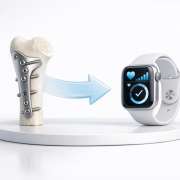
The impact of orthopedic informatics is beyond regional borders. In Africa, the e-Health Africa organization used mobile health technology to train indigenous Health Workers. They utilize mobile devices loaded with applications that provide information on comprehensive musculoskeletal care, including basic orthopedics. This program enabled the rural and remote communities with limited healthcare access to receive diagnosis and treatment, thereby, demonstrating how Orthopedic Informatics can bridge the gap of healthcare disparities.
In summary, Orthopedic Informatics offers a modern avenue to manage and optimize orthopedic care globally. From reducing patient wait times in Canada to helping indigenous African communities, its reach and impact are far and wide. Predictive modeling and efficient health technologies are not just improving patient outcomes at an individual level, but they’re also streamlining workflows and reducing costs, changing the face of healthcare delivery. Continued advancements in orthopedic informatics hold the promise of further breakthroughs, the ripple effects of which will be felt far and wide. At the intersection of technology and healthcare, this tool is redefining orthopedic practice, one algorithm at a time.





Leave a Reply
Want to join the discussion?Feel free to contribute!