
Digital Solutions for Joint Replacement: Enhancing Outcomes and Patient Satisfaction

Joint replacements are increasingly becoming a standard solution to alleviate chronic joint problems and consequential immobility, largely prevalent among the rapidly aging global population. Annually, millions of people undergo these life-enhancing surgeries, aiming at resuming their normal, pain-free lives. Remarkably, the evolution of digital technology and its subsequent integration in the healthcare sector offers revolutionary ways to enhance these outcomes and boost patient satisfaction. The golden age of digital solutions opens a world of opportunities, with extraordinary benefits for joint replacement procedures before, during, and after surgery.
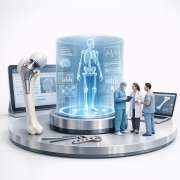
Pre-operatively, digital technology aids in presurgical planning, patient education and engagement. Medical imaging technology, such as CT scans and MRIs, has significantly advanced over the years with the help of digital transformation. Today, surgeons use these imaging modalities alongside sophisticated software to create highly detailed 3D models of the patient’s joint. This model aids the surgeons in visualizing the surgical area accurately and planning the procedure precisely, significantly enhancing the chances of successful surgery and reducing surgical times. Furthermore, the digitization of patient education materials leads to increased understanding, engagement, and compliance with pre-surgical preparation protocols, translating into better surgical outcomes and patient satisfaction.
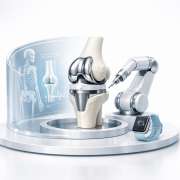
During the surgical procedure, digital solutions provide practical tools for surgeons to execute their surgical plans effortlessly. Cutting-edge technologies, such as robotic surgery and computer-assisted surgery (CAS), allow surgeons to perform joint replacements with unparalleled accuracy, less invasivity, and lesser complication rates than traditional methods. These technologies come with real-time feedback systems, allowing the surgeon to adjust the surgical procedure based on the actual situation on the surgical site, ensuring optimal implant positioning and alignment, which are crucial to the longevity of the joint replacement and patient’s overall satisfaction.
When it comes to post-operative care, digital solutions play a crucial role in monitoring, rehabilitation, and ensuring patient satisfaction. Telemedicine solutions offer remote monitoring, which allows clinicians to track patient progress during recovery, adjust treatment plans accordingly and rapidly intervene if complications arise. The integration of digital health records ensures easy and secure access to patient information, ensuring seamless coordination between different healthcare providers involved in the patient’s recovery journey. Moreover, mobile apps and wearable technologies provide effective, personalised, and engaging rehabilitation programs to patients in the comfort of their homes. In addition to reducing hospital readmissions, these apps offer real-time feedback, motivation, and support to patients, enhancing their participation in recovery programs and overall satisfaction.
The application of digital solutions in joint replacement is not without challenges, including but not limited to data privacy and security concerns, high costs of technology implementation, and the digital divide among different patient populations. Nevertheless, the prospective benefits towards enhancing procedural outcomes and the overall patient experience are well worth overcoming these hurdles. Concerted efforts involving healthcare providers, technology companies, regulatory bodies, and patients themselves are crucial in addressing these challenges and mainstreaming the adoption of digital solutions in joint replacement.
In conclusion, the integration of digital solutions in joint replacement has the potential to revolutionize the entire joint replacement journey. From strategizing an individualized surgical plan to tracking the patient’s recovery in real-time, digital solutions offer immense benefits towards enhancing outcomes and patient satisfaction. While challenges remain, the future of joint replacement surgeries is undeniably digital, paving the way towards better mobility and a better quality of life for millions of patients worldwide.





Leave a Reply
Want to join the discussion?Feel free to contribute!