
Robotics in Orthopedic Surgery: Precision and Efficiency Redefined

The world of orthopedics is a domain that has always welcomed technological advancements with open arms. In recent years, a revolution has been silently brewing, ushering in a new era of precision and efficiency. This transformation is embodied by Robotics, a technological marvel that is redefining orthopedic surgery in unprecedented ways.
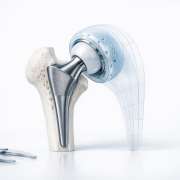
Robotic-assisted orthopedic surgery, although still in its relatively early days, is quickly gaining traction worldwide, especially in knee and hip replacements, two of the most common orthopedic procedures. Traditional methods, while effective, have long been plagued by a lack of precision, which can lead to longer recovery times, pain, and complications. Robotics, with their capacity to outdo human precision, offer a potent solution to these issues. They provide surgeons with enhanced control, increased accuracy, and minimal invasiveness, thereby improving patient outcomes significantly.
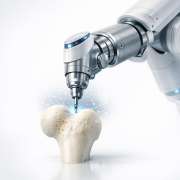
The use of robotics in orthopedics is a game-changer in many ways. Firstly, they drastically enhance the accuracy of bone cuts, a critical aspect of orthopedic procedures. By ensuring precise cuts, robotic systems reduce the risk of implant misalignment, a common cause of surgery failure. This precise alignment is crucial, especially in joint replacements where any misalignment can cause accelerated wear and tear, leading to premature failure of the joint replacement. With the help of robotics, surgeons can now make accurate cuts based on individual patient anatomy and the implant’s specifications.
Secondly, robotic-assisted surgery ensures a minimal invasive approach, reducing the trauma to surrounding tissues. In traditional surgery, larger incisions and more invasive approaches are often necessary to visualize the joint. However, robotic systems provide superior visualization with smaller incisions, resulting in reduced pain, quicker recovery times, and lesser blood loss. This attribute also means lower risks of infection and complications post-operation.
Furthermore, the introduction of robotics in the orthopedic realm offers an unprecedented level of customization. With pre-operative 3D modelling and planning, surgeons can map out the surgical strategy best suited to the individual patient’s anatomy. This level of pre-planning was unimaginable in traditional methods, often leading to intra-operative adjustments and longer operative times. The surgical plan’s customization allows a better fit of implants, enhances joint stability and optimizes joint function and longevity – ultimately leading to better patient satisfaction levels.
Despite the numerous benefits, some challenges remain in the adoption of robotic-assisted orthopedic surgery. The significant upfront costs associated with the purchase and maintenance of the robotic systems can be an obstacle for many healthcare organizations. Additionally, the need for comprehensive training for surgeons and operating room staff is essential, which adds to the implementation’s cost and complexity.
However, as the technology evolves and becomes more widespread, these challenges are likely to decrease. Manufacturers are continually working on bringing down the costs, making the systems more accessible to an increasing number of hospitals and clinics. Furthermore, as more orthopedic surgeons train in robotic-assisted surgery and gain experience, the overall efficiency of the procedures will increase, significantly reducing the operative times and associated costs.
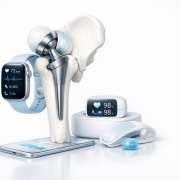
The benefits of these robotic systems reach beyond the operating room – they are extending into the rehabilitation phase of recovery as well. The precision ensured by the robotics in the surgery can facilitate more efficient and successful physical therapy, leading to quicker recovery times and getting patients back to their daily routines faster.
Looking into the future, it’s evident that robotics will play an increasingly prominent role in orthopedic surgeries. With advancements such as AI integration, telesurgery, and augmented reality on the horizon, the advantages of robotic-assisted surgery are set to escalate even further. This blend of technology and medicine promises a future where the limitations of traditional surgery are minimized, and patient recovery and satisfaction are maximized.
In conclusion, the advent of robotics in orthopedic surgery is a giant leap into a future where accuracy, control, customization, efficiency, and patient satisfaction are at the forefront of healthcare provision. The redefinition of precision and efficiency is opening new horizons in orthopedic surgery and ultimately improving quality of life for patients, proving that the future of orthopedics is here and its name is Robotics.




Leave a Reply
Want to join the discussion?Feel free to contribute!