The Intersection of Design and Orthopaedics.

The Intersection of Design and Orthopaedics: Where Form Meets Function for Better Healing
A patient walks into the clinic, clutching a bulky brace that feels more like a prison than a tool for recovery. The device is stiff, uncomfortable, and a constant reminder of injury. Yet, it’s supposed to help. This disconnect between medical necessity and patient experience has long plagued orthopaedics. The missing link? Thoughtful design.
Design is no longer just about aesthetics or ergonomics. It’s a clinical imperative. After 25 years in orthopaedics, I’ve seen how the evolution from plaster casts to 3D-printed braces marks more than technological progress. It signals a shift in how we approach healing-by integrating human-centered design with surgical precision and data-driven insights.
At its core, design in orthopaedics means crafting solutions that respect the patient’s body, lifestyle, and psychology. It’s about reducing friction in recovery, literally and figuratively. Consider wearable devices that monitor joint movement. Early models were clunky, prone to error, and often abandoned by patients. Today’s wearables blend sleek form factors with intuitive interfaces, encouraging consistent use and delivering real-time data that surgeons can act on. This is design meeting function, powered by informatics.
The clinical impact is profound. When patients engage with devices that feel natural, compliance improves. Better compliance means more accurate data, which in turn refines treatment plans. Surgeons can tailor rehabilitation protocols based on objective movement patterns rather than guesswork. This feedback loop transforms recovery from a passive waiting game into an active, data-informed process.
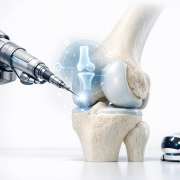
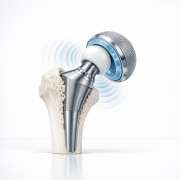
Design also reshapes surgical tools and implants. Custom implants, designed with patient-specific anatomy in mind, reduce intraoperative guesswork and postoperative complications. Digital modeling and AI-driven simulations allow us to predict how an implant will interact with bone and soft tissue before the first incision. This precision reduces surgery time and accelerates healing.
But the transformation goes beyond hardware. Software interfaces that present complex biomechanical data in clear, actionable formats empower surgeons and therapists alike. When design simplifies complexity, it elevates clinical decision-making. It turns mountains of data into meaningful insights that improve patient outcomes.
Looking ahead, the fusion of design and orthopaedics will deepen. Imagine braces that adapt in real time to swelling or muscle fatigue, guided by embedded sensors and AI algorithms. Picture surgical instruments that provide haptic feedback, enhancing a surgeon’s tactile sense through digital augmentation. Envision rehabilitation environments designed with virtual reality, where patients regain mobility through immersive, gamified exercises tailored to their unique recovery trajectory.
This is not science fiction. It’s the next chapter in a 25-year story of innovation. Design is no longer an afterthought; it’s a catalyst for healing. It bridges the gap between cold technology and warm human experience. It ensures that every device, every implant, every data point serves a singular purpose: restoring movement, relieving pain, and returning patients to their lives.
Orthopaedics stands at this intersection, where design meets medicine, and where technology meets empathy. The future belongs to those who see beyond the hardware and software-to those who design with purpose, precision, and a profound respect for the human body. That future is here. It’s time we embrace it.