
Top Ways Informatics is Transforming Orthopedic Care

As the digital age continues to make its mark across various sectors, the healthcare industry isn’t left behind; with orthopedics enjoying a fair share of its benefits. Advances in informatics – the science of computer information systems – are providing a significant boost to orthopedic care, a branch of medicine dealing with disorders related to the skeletal system. This transformation reveals itself through improvements in electronic medical records (EMRs), predictive analytics, telehealth, and digital imaging technologies, not forgetting the promising venture into the world of artificial intelligence (AI). We explore herein, the top ways in which informatics is evolving the world of orthopedics.
A primary area in orthopedics where informatics has come into play is the EMRs. Traditional, hand-written medical records have long been a stumbling block in healthcare due to various factors such as illegibility, inconsistencies, and susceptibility to loss. EMRs solve these issues by providing a digitized manner of maintaining patient records, which improves documentation and enables seamless communication between clinicians. For orthopedic care, EMRs, with integrated imaging systems, simplify the patient’s diagnostic process by providing immediate access to digitized imaging studies, like X-rays or CT scans, and allowing better management of complex orthopedic conditions.
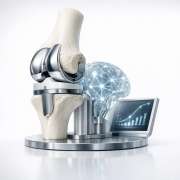
One key benefit of using EMRs in orthopedics is the ability to leverage the data stored in these records for research and predictive analytics. Orthopedic surgeons can collect, analyze, and interpret extensive data sets of patient information to identify patterns, improve patient outcomes, and make more personalized treatment decisions. For instance, predictive analytics can help determine patients who are at high risk of complications after surgery, enabling proactive measures to reduce risk. Furthermore, it can aid in predicting the probability of success of various treatment methods based on a patient’s unique circumstances, which is invaluable in patient counseling and informed decision making.
As the world becomes increasingly wired, the appeal of telehealth is growing in all medical fields, including orthopedics. With telehealth capabilities, orthopedic patients can now access critical healthcare services remotely, reducing the need for physical visits to hospitals and clinics. Consultations, follow-ups, and in some cases, physiotherapy sessions can all be effectively conducted over the internet. This level of convenience brings many advantages such as improved patient adherence to treatment plans, optimized patient outcomes, reduced healthcare costs due to fewer hospital visits, and potentially decreasing the spread of clinic-acquired infections.
Another instrumental technological innovation influenced by informatics is the improvement of digital imaging in orthopedics. With the incorporation of sophisticated software, imaging technologies such as X-ray, MRI, CT scans, and ultrasound have become more efficient and precise. The evolution of three-dimensional imaging, in particular, has significantly influenced orthopedic diagnoses and treatments. For example, using the 3D imaging technology, surgeons can now create a detailed map of the patient’s skeletal system before surgery. This increased precision allows for customized surgical plans, reduces the risk of complications, and improves the likelihood of successful surgical outcomes.
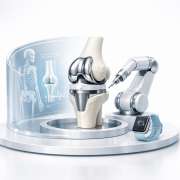
Finally, the frontier where informatics is making the biggest waves is artificial intelligence (AI). Although still in its nascent stages, AI has demonstrated immense potential in revolutionizing orthopedic care. Machine learning algorithms can predict outcomes, guide treatment plans, offer real-time surgical assistance, and even assist in developing innovative prosthetic limb designs. AI holds promise for automating routine tasks, thus freeing up healthcare professionals to focus more on direct patient care. As the technology evolves and is more widely adopted, there’s no doubt that the future of orthopedic treatment could lie in the hands of AI-driven techniques and tools.
In conclusion, the role of informatics in transforming orthopedic healthcare is undeniably immense and only continues to grow. By seamlessly integrating advanced technology into all aspects of care delivery, from patient records to treatment plans, informatics is not only improving the quality of care but is also making orthopedic treatment more patient-friendly. As we continue to unveil the vast potential of technology in medicine, the future of orthopedics seems intrinsically tied to advances in informatics.






Leave a Reply
Want to join the discussion?Feel free to contribute!