
From Diagnosis to Recovery: Digital Solutions Transforming the Orthopedic Journey

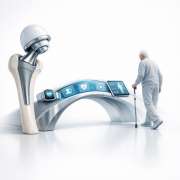
In the ever-evolving world of medical science, digital technology is proving to be a game changer, especially in the realm of orthopedics. It is transforming not just the diagnostic and surgical processes, but also post-operative rehabilitation and the recovery programs. By leveraging digital health tools, healthcare professionals can improve accuracy of diagnoses, plan surgeries impeccably, carry out precise procedures, monitor recovery diligently and ensure optimal post-operative care. This comprehensive digital overhaul of the traditional orthopedic treatment journey augurs well for both care providers and patients alike.
The digital revolution in the orthopedics industry begins with the patient’s first visit to the clinic. Instead of relying solely on symptoms and physical examinations, healthcare providers have an arsenal of digital imaging techniques at their disposal. Technologies such as Computerized Tomography (CT), Magnetic Resonance Imaging (MRI), and digital X-rays allow for accurate identification and assessment of orthopedic conditions. These images can be digitally stored, easily accessed, and compared over time to track the progress of the disease or efficacy of the treatment. This helps doctors deliver a more precise diagnosis, design a personalized treatment plan, and predict post-treatment outcomes with greater certainty.
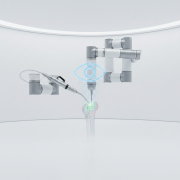
In the operating rooms, surgeons are increasingly adopting digitally-assisted techniques to perform minimally invasive procedures with utmost precision. Digital setups like Computer Assisted Surgery (CAS) or Robot-Assisted Surgery (RAS) can drastically reduce the margin of error. They can create 3D models of the patient’s anatomy, allowing surgeons to plan the surgery in detail, foresee potential complications, and rehearse the procedure before actually performing it. During the surgery, they provide real-time feedback and enable the surgeons to view the operational site from different angles, thus ensuring better visibility and greater control. This results in less pain and trauma to the patient, reduced hospital stay, and faster recovery.
Similarly, the post-operative phase has experienced a digital makeover too. Wearable devices and sensors can continuously monitor the patient’s vital parameters and recovery progress. These devices, equipped with Internet-of-Things technology, can relay the collected data to the healthcare providers in real-time. This enables doctors to detect any deviation from the expected recovery trajectory at the earliest and take remedial measures immediately. It also curbs the need for regular hospital visits, thereby reducing the pressure on healthcare facilities and saving time and money for the patient.
Virtual reality (VR) and augmented reality (AR) technologies have found a unique application in the realm of orthopedic rehabilitation as well. They have made physical therapy more engaging and productive by transforming exercises into games and enabling real-time feedback. Patients can don VR/AR gears and perform prescribed exercises from the comfort of their homes. Healthcare providers, on the other hand, can track the patient’s movements and provide feedback and encouragement via an interactive platform. This approach not only improves adherence to the rehabilitation regimen but also enhances the effectiveness of the program.
With the advent of telemedicine, patients can now consult their doctors from anywhere, anytime. This is particularly beneficial for elderly patients with mobility issues, or those living in remote areas. Doctors can conduct virtual assessments, monitor post-surgical recovery, and provide ongoing support via video conferencing tools. This ensures that patients do not miss out on crucial follow-ups and receive necessary care timely, thereby enhancing patient satisfaction and improving treatment outcomes.
Healthcare apps have also come to fore as effective tools in the orthopedic treatment journey. These apps can provide educational resources, store and organize personal health data, remind patients to take medications or perform exercises, and even connect them to their healthcare team or support groups at the tap of a button. They can play a significant role in managing pain, reducing anxiety, fostering self-care, and facilitating informed decision-making among patients.
To sum up, digital technology is dramatically changing the landscape of orthopedic care. From initial diagnosis, through surgical intervention, to post-operative care and recovery – every stage is being redefined and improved. As we look ahead, this digital transformation promises a future where orthopedic care is more precise, efficient, patient-centric and outcome-oriented, clearly indicating that the orthopedic journey has indeed entered the digital age.






Leave a Reply
Want to join the discussion?Feel free to contribute!