
Informatics in Orthopedic Global Health: Improving Care Worldwide
As the world becomes more interconnected, advancements in information technology are poised to revolutionize healthcare systems on a global scale. The field of orthopedics, in particular, stands to benefit remarkably from the application of informatics — the science of processing data for storage and retrieval. Applied to global health, informatics represents unique opportunities to streamline processes, eliminate wastage, address health disparities, and enhance the quality of patient care worldwide. Specifically, in orthopedic care, the introduction of informatics has fundamental implications for diagnostics, treatment planning, and follow-up management. This information-driven revolution has the potential to reshape how orthopedic care is delivered and improve patient outcomes across the globe.
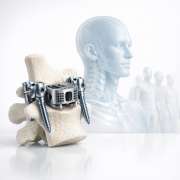
In the realm of diagnostics, informatics tools such as digital imaging, telehealth, and decision-support software can increase the accuracy and effectiveness of orthopedic evaluations. Enhanced imaging technology, for example, can empower orthopedic surgeons with a more comprehensive understanding of a patient’s condition. Tools such as 3D imaging and computer-aided design offer immense benefits in analyzing the complexity of cases and predicting potential complications. Similarly, telehealth services can extend the reach of specialists to remote and underserved regions, addressing the issue of uneven distribution of orthopedic healthcare resources. Patients living in rural and low-resource settings, who previously had limited access to orthopedic consultation, now have the opportunity to receive expert care from a distance.
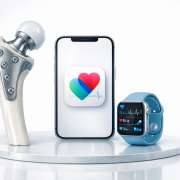
Yet, this is only the tip of the iceberg. The potential applications of informatics extends to treatment planning and follow-up care, too. With the incorporation of these systems, orthopedic surgeons can access up-to-date patient records, reducing the risk of human error during surgical procedures. The integration of health informatics also allows for a streamlined referral process, ensuring that patients are directed to the appropriate care pathways in a timely manner. Furthermore, follow-up care can be enhanced through mobile health technologies. Several studies have proved that using mobile applications to monitor patient’s recovery has resulted in improved treatment adherence and reduced hospital readmission rates in orthopedic practice. Therefore, integrating informatics into the patient journey – diagnostics, treatment, and recovery – can significantly enhance the effectiveness of orthopedic care.
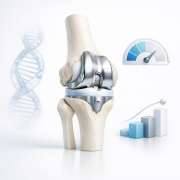
In addition to improving individual patient care, health informatics can also offer solutions at the population level by providing valuable data for public health professionals handling key challenges, such as predicting disease outbreaks or monitoring healthcare delivery effectiveness. For instance, the aggregation of orthopedic data can help identify patterns or trends in musculoskeletal conditions, which can subsequently guide public health interventions or influence health policies around disease prevention and management.
There is clearly a vast potential in harnessing data for improving orthopedic care globally. However, ensuring that these benefits reach the marginalized and under-resourced communities worldwide holds significant challenges. Financial constraints, technological limitations, lack of informatics literacy, resistance to implementation, and data privacy concerns are some of the hurdles that must be overcome. Therefore, it is paramount to diligently work towards bridging these gaps to make the promise of informatics in orthopedic global health a reality.
Informatics not only hold the potential to revolutionize orthopedic care but also to democratize healthcare. With initiatives to implement and promote health informatics, we can aspire to a future where quality orthopedic care is no longer a privilege of the few but a right of many. As we move in this direction, it presupposes that stakeholders at all levels — from clinicians to policymakers — understand the value of informatics and work together to incorporate it effectively into healthcare systems worldwide. This collaborative effort is needed more than ever to ensure the potential of informatics in orthopedics is fully harnessed to improve global health outcomes and ultimately save lives.
As we usher in a new era in global health, characterized by digital data and advanced informatics, the prospects for improving orthopedic care are very promising. Informatics in orthopedic global health is not just about equipping medical practitioners with advanced tools; it’s about reaching the unreached, about transforming the dynamics of healthcare accessibility, and improving patient outcomes on a global scale. For, at the heart of it all, healthcare is a global concern, demanding global solutions.





Leave a Reply
Want to join the discussion?Feel free to contribute!