
The Future is Now: Orthopedic Innovation Powered by Informatics

Today, the field of orthopedics is undergoing a profound revolution, galvanized by the power of informatics. Rapid advancements in data collection, analysis, management methods, and integration are driving a new wave of innovation in orthopedic treatments and patient care. By synthesizing previously disparate data streams and creating actionable insights, informatics is dramatically enhancing diagnostic precision, improving clinical decision-making, and pushing the boundaries of what was once deemed possible in the orthopedics landscape.
Surgeons, clinicians, and researchers are employing informatics to build smarter, more efficient orthopedic systems, facilitate more impactful research, and elevate patient outcomes. The introduction of machine learning and artificial intelligence has been key in this process, enabling the prediction of outcomes, enhancing surgical planning, and automating manual tasks, thus freeing up precious time for doctors. This union of orthopedics and informatics marks a conspicuously pioneeric epoch in healthcare where data-driven approaches are giving rise to better interventions, treatments, and prognosis.
The implementation of informatics within the orthopedics industry begins with the collection and storage of an extensive array of clinical data. Such information can include surgical records, imaging studies, laboratory reports, and patient demographics, among others. The integration of this data, Largely spearheaded by Electronic Health Record (EHR) systems, has transformed the traditional reactive healthcare paradigm into a proactive system, arming doctors with preventative tools and predictive healthcare measures. This paradigm shift is stretching the horizons of patient care and has the potential to drastically reduce financial burdens on the healthcare sector.
Furthermore, informatics has enabled the creation of virtual modeling, simulation tools, and customizable templates. These developments are aiding doctors in planning surgeries and procedures more effectively, resulting in successful outcomes and decreased patient recovery time. Notably, orthopedic practitioners are leveraging predictive modeling and data simulation to craft personalized treatment plans that consider a patient’s unique anatomical characteristics and medical history. Forward-thinking surgeons are also utilizing machine learning algorithms that draw on vast data repositories to optimize surgical techniques and outcomes, thus raising the bar for clinical excellence.
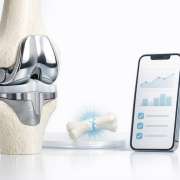
Another exciting offshoot of informatics in orthopedics is the birth of wearable technologies and implantable sensors. These innovations are furnishing healthcare professionals with real-time patient information, offering unparalleled insight into post-procedure recovery and everyday function. Through monitoring patient activity levels and biomechanics, practitioners can uncover early indicators of complications or illness, promoting swift intervention to prevent further deterioration. The ability to remotely monitor patients also alleviates pressure on healthcare systems by reducing the need for in-person consults and curbing readmission rates.
While the advancements in orthopedic informatics are undeniably paradigm-shifting, the field is not devoid of challenges. Data integrity, privacy concerns, and technology implementation hiccups pose significant hurdles to the mass adoption of these innovations. However, the healthcare community is progressively addressing these issues and is committed to refining and harnessing the potential of informatics to deliver unprecedented value to orthopedics.
A surge of collaborative work between orthopedic surgeons, engineers, data scientists, and industry partners is shaping a future where informatics-based innovation can flourish. The integration of cross-disciplinary expertise is critical to navigate the complexities of this burgeoning field, bringing to the fore revolutionary patient care strategies that challenge conventional wisdom.
The field of orthopedics, driven by the engine of informatics, is set to redefine the practice of medicine. As we stand on the brink of this transformative era, it becomes increasingly apparent that the future is not some distant hope or fear, but a palpable reality, unfolding in real-time. And as technology continues to evolve, the mantra of the day, unquestionably, is “the future is now.”




Leave a Reply
Want to join the discussion?Feel free to contribute!