
The Orthopedic Data Goldmine: Unlocking Value for Patients and Providers

The healthcare discourse is continually buzzing with new developments, technological advancements, innovative solutions, and pertinent issues requiring attention. Among the vital conversations, data utilization in healthcare stands out as paramount to shaping the future of the sector. With the abundance of information at our disposal, the challenge lies in navigating this treasure trove effectively — a feat certainly not spared in the field of orthopedics. Herein, unpacking the potential of this orthopedic data goldmine doesn’t just mean mining for statistical value but transforming care provisions for patients and providers alike.
The enigma of data utilization isn’t isolated to the field of orthopedics alone. Nevertheless, the intricate nature of orthopedic care, coupled with aspects of ongoing patient care like physiotherapy and rehabilitation, makes data management and its effective use a formidable task. Compelling narratives generated from reliable orthopedic datasets are instrumental in delivering high-quality care, ensuring more accurate diagnosis, facilitating early interventions, accelerating recovery, and enhancing patient satisfaction and health outcomes.
Data applications in orthopedic care range from electronic health records (EHR) to medical imaging, wearable sensors to mobile apps, and clinical registries to predictive analytics and Artificial Intelligence (AI). Each area holds untapped potential for improving care delivery and patient outcomes while simultaneously optimizing cost and resource efficiency. The overreaching objectives are not just to survive but to thrive in the current age of digitized healthcare where data derives decision-making and strategy.
Starting with electronic health records, EHR systems serve as the backbone for integrated patient care and coordination between healthcare providers. Contextual patient information, including medical history, treatment plans, clinical notes, and radiological images, supports orthopedic specialists in making informed decisions. Furthermore, the integration of machine learning algorithms within EHR platforms can detect patterns and predict patient outcomes based on relevant orthopedic parameters.
Another revelation in orthopedics is the use of mobile applications and wearable sensor technology. These innovations cater to aspects of prevention, continuous monitoring, and patient engagement outside the clinical setting. For instance, remote patient monitoring can help track the progress of post-surgery patients, rehab patients, or those managing chronic orthopedic conditions. Data gathered from these sources can drive personalized care and treatment adjustments while promoting patient engagement and self-management.
Orthopedic registries, databases that collect and analyze surgical outcomes, are paving the way for evidence-based medicine. Analyzing trends and patterns identified in this data resource can influence surgery protocols, clinical guidelines, and the development of quality measures. Registries can also facilitate clinical and translational research, helping innovators bring new and effective orthopedic solutions to market.
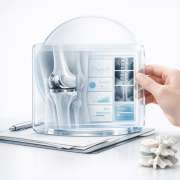
Then there is the sphere of medical imaging, which is central to orthopedic diagnosis and treatment. Innovations in image processing algorithms and AI-enabled software have the potential to revolutionize this area. AI applications can enhance image analysis for bone density, fracture detection, implant positioning, tumor identification, and more. The integration of AI can allow for rapid data processing, sharper diagnostic accuracy, and personalized treatment planning for patients.
Beyond the technical and clinical aspects, the ethical dimension of data utilization cannot be neglected. Ensuring data privacy, securing informed consent, and protecting against data breaches are non-negotiable. The responsibility of adhering to these principles isn’t exclusive to data controllers but should extend to all stakeholders, given the potential risks associated with negligent handling of sensitive patient data.
Unlocking the value of orthopedic data is a process requiring balance — striking a harmonious note between technological prowess, clinical efficacy, patient safety, cost-effectiveness, and ethical conduct. While the road to success isn’t without obstacles, the benefits of harnessing this goldmine are multifold for patients and providers, promising a new era of orthopedic care that is data-driven and outcome-oriented.
The underpinning truth, however, is that not all healthcare providers are equipped to leverage this orthopedic data goldmine fully. An inherent disparity exists among organizations in terms of data maturity – the capacity to capture, manage, analyze, and utilize data for care decisions. As such, a concerted effort across healthcare stakeholders is essential to strengthen data literacy, bridge infrastructural gaps, promote evidence-based practices, and embrace a culture of continuous learning and improvement. Only then can we fully unlock the treasure trove of orthopedic data, bringing value not just to the patient and care provider, but the entire healthcare ecosystem.




Leave a Reply
Want to join the discussion?Feel free to contribute!