
Informatics: Fueling the Next Generation of Orthopedic Solutions

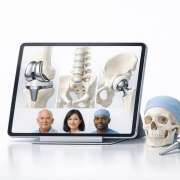
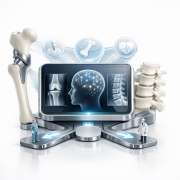
From the operating room to post-operative care, informatics is playing a crucial role in revolutionizing the field of orthopedics. As technology continues to advance, the integration of informatics has enabled healthcare professionals to make more confident and informed decisions when it comes to diagnosing and treating orthopedic conditions. With the help of data analytics, artificial intelligence, and digital imaging, orthopedic specialists are able to provide personalized and effective solutions that were once thought to be out of reach.
One of the key benefits of informatics in orthopedics is the ability to streamline processes and improve efficiency. Electronic health records (EHRs) have made it easier for healthcare providers to access and share patient information, leading to more coordinated care and better outcomes. By using informatics tools such as predictive analytics, orthopedic surgeons can also anticipate potential complications and plan interventions accordingly, reducing the risk of post-operative issues and improving patient satisfaction.
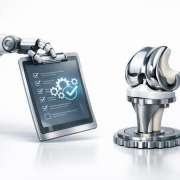
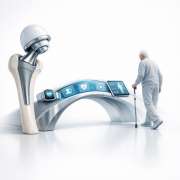
Furthermore, informatics has paved the way for advancements in orthopedic devices and implants. With the help of computer-aided design (CAD) software and 3D printing technology, orthopedic manufacturers are able to create customized implants that fit each patient’s unique anatomy. This level of personalization not only improves the surgical experience for patients but also leads to faster recovery times and better long-term outcomes. In addition, informatics has allowed for the development of wearable devices and mobile applications that enable patients to track their progress and communicate with their healthcare providers in real-time, enhancing the overall patient experience.



Leave a Reply
Want to join the discussion?Feel free to contribute!